Open today: 9.00 to 18.00
Change and Resilience Challenges and Navigating a Shifting
Landscape
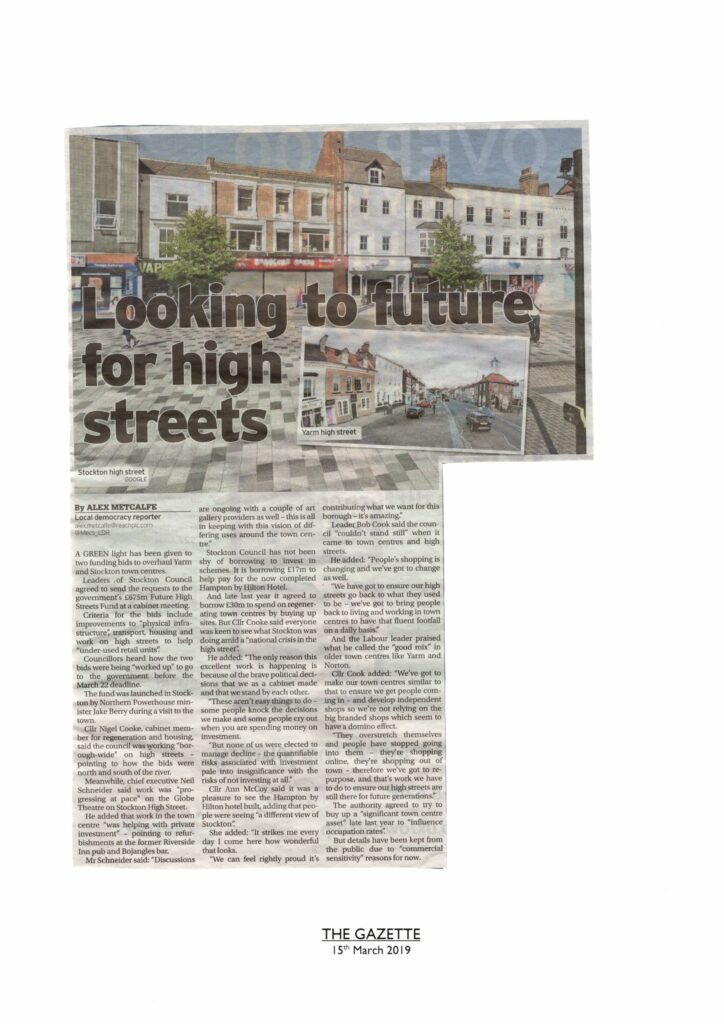
Over its 25-year history, Wellington Square’s journey has been defined by its
remarkable resilience and ability to navigate profound structural, societal, and
economic shifts. From national challenges to hyper-local transformations, the
centre has consistently adapted to survive and thrive.
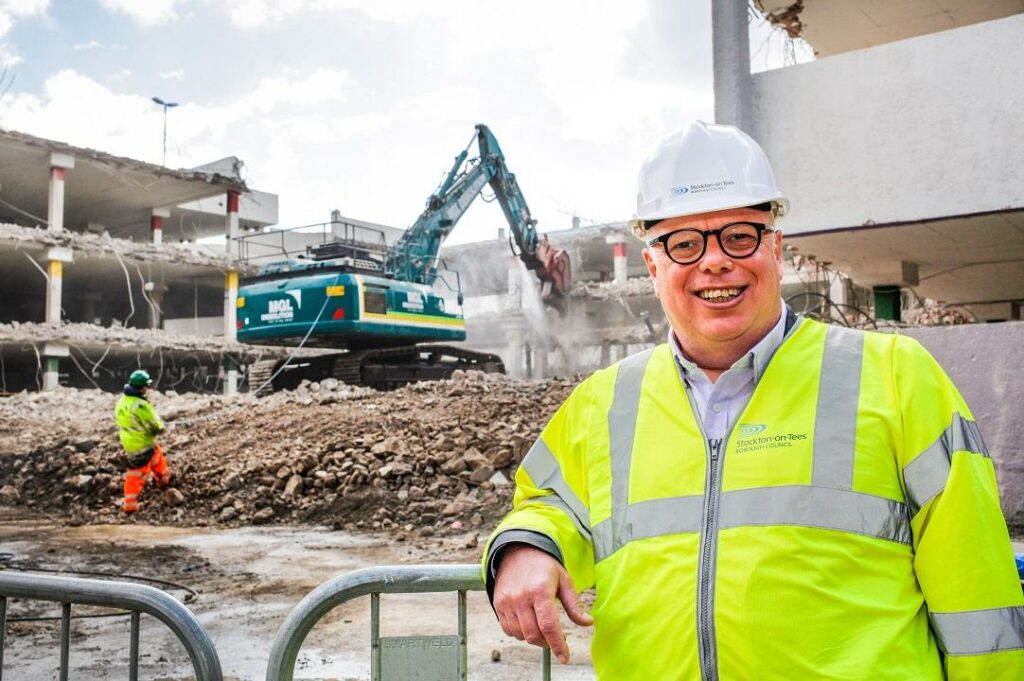
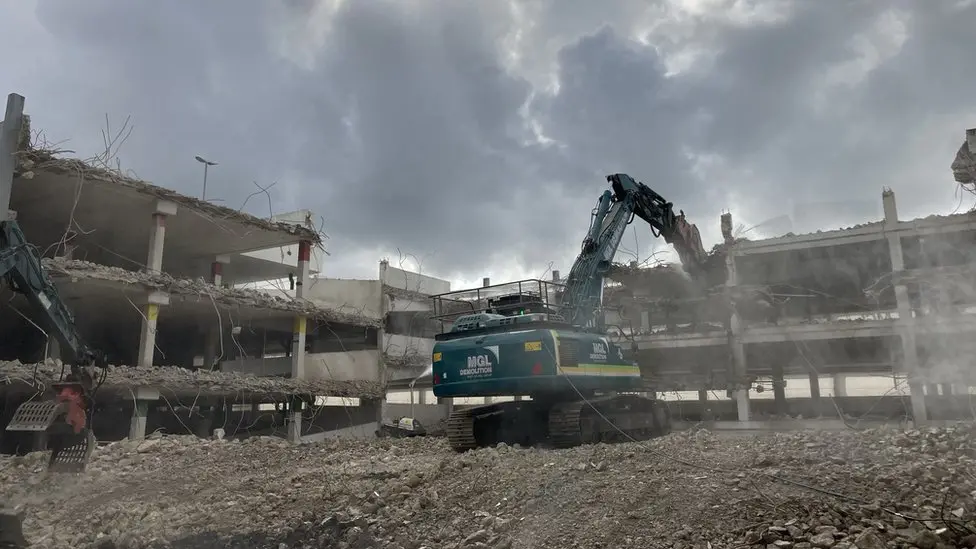
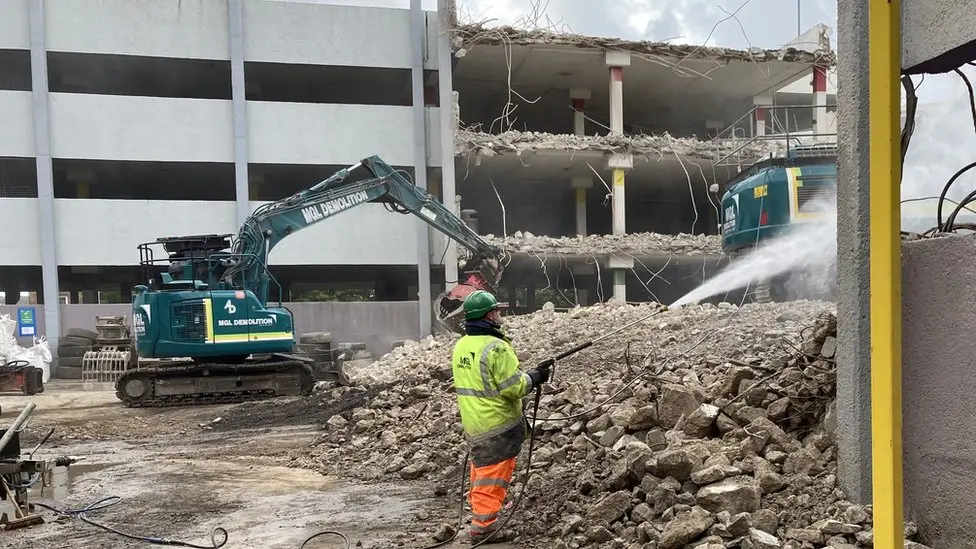
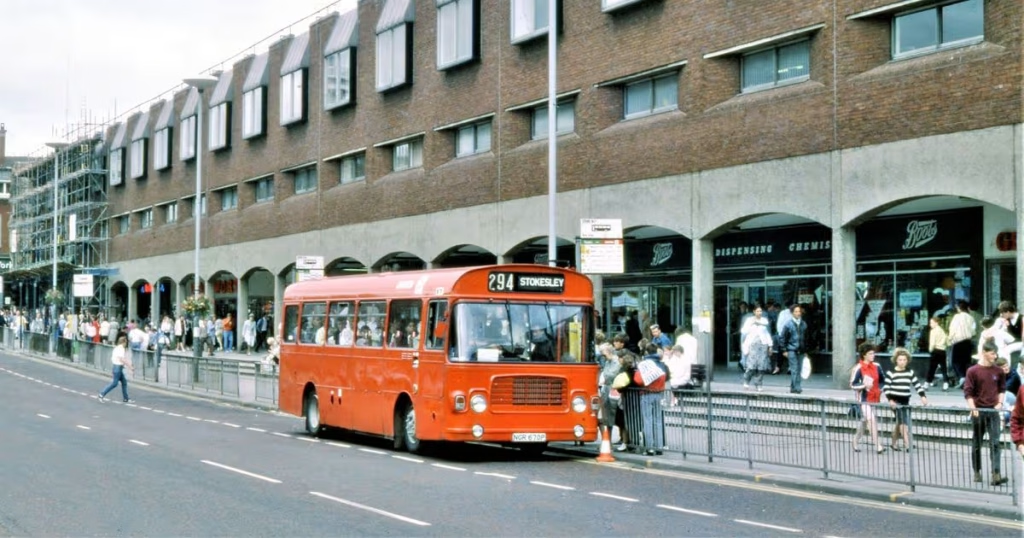
A major turning point for the entire town centre was the closure and subsequent
demolition of the nearby Castlegate Shopping Centre and Swallow Hotel. This
structural shift fundamentally altered local footfall patterns and retail dynamics,
forcing Wellington Square to adapt to an entirely new town-centre reality.
Simultaneously, the nationwide rise of online shopping reshaped the retail
landscape. To keep people visiting in person, the centre shifted its focus toward
convenience, superior service, and experience-led engagement, turning
under-used retail units into spaces for community connection.
The toughest collective test, however, arrived with the COVID-19 pandemic.
Temporary closures and drastically reduced footfall brought immense operational
hurdles for businesses and staff. Yet, this period of disruption also highlighted the
immense strength and determination of the Stockton community. Long-term
business owners, support organisations, and volunteers rallied together. Tenants
adapted by introducing alternative services, while close collaboration between the
centre and Dan at Shop Mobility ensured that vulnerable visitors were continually
supported.
By refusing to stand still through economic downturns and changing times,
Wellington Square has proven that adaptation is the key to longevity. These
periods of intense change have not just defined the centre’s difficulties; they have
actively contributed to its ongoing development, long-term sustainability, and
reputation as a truly resilient community hub.
Living in the Present. The Heart of Stockton
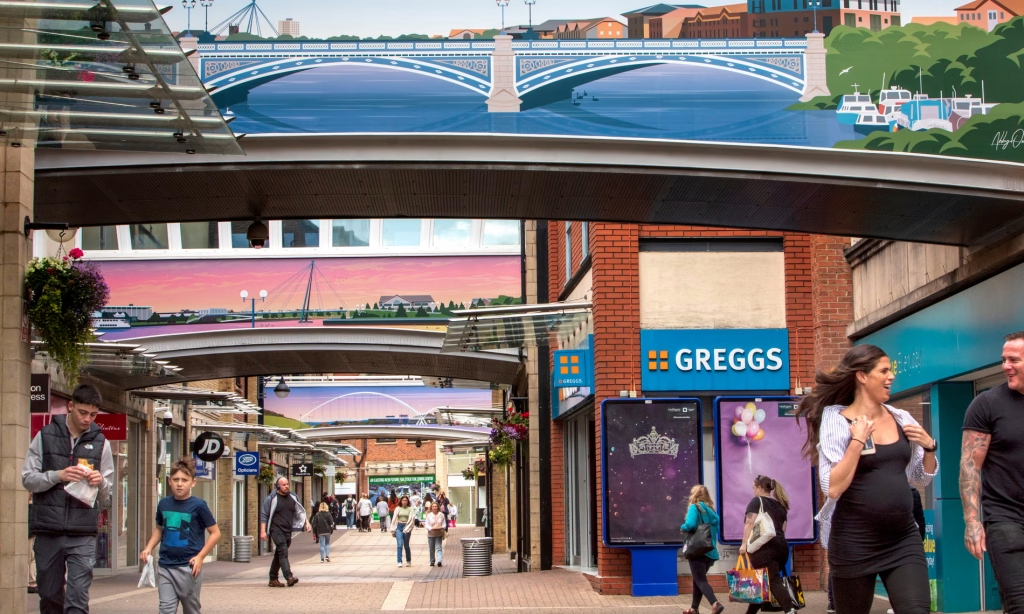
Today, Wellington Square is celebrating an extraordinary resurgence, functioning
as a vibrant, multi-purpose community space where people come together to
shop, work, socialise, and access essential services. By ripping up the traditional
retail rulebook, the Council-owned centre has successfully balanced continuity
with modern demand. A bold strategy spearheaded by Stockton-on-Tees
Borough Council involved taking control of local assets, buying and demolishing
the old Castlegate Shopping Centre to make way for an urban waterfront park,
while successfully relocating 31 of its businesses into Wellington Square.
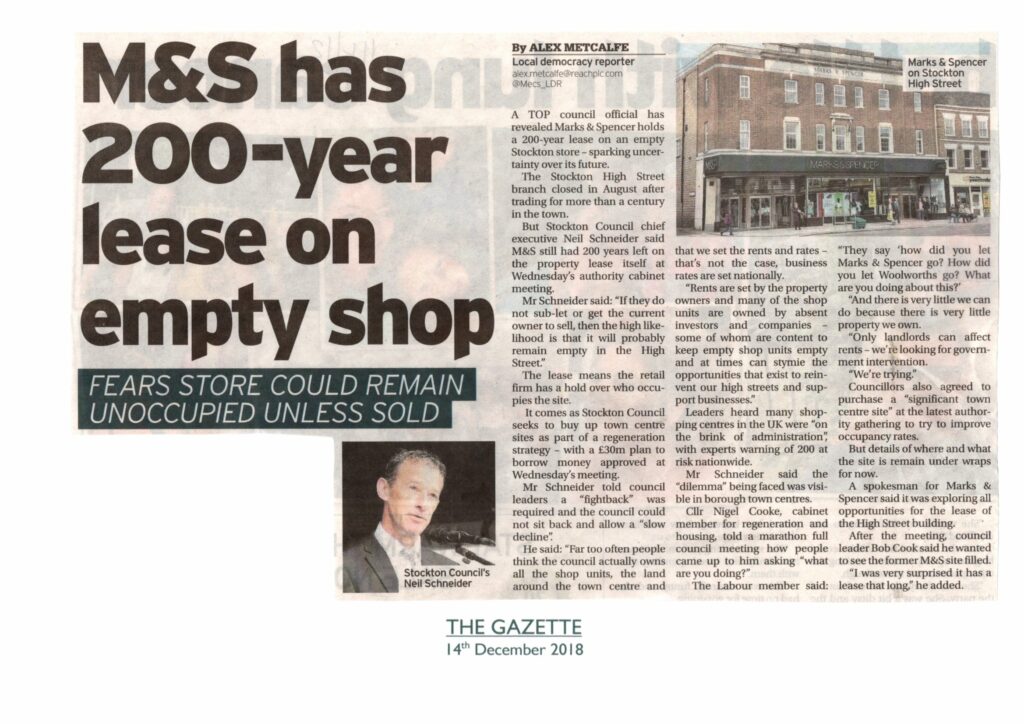
This transition has filled key vacant spaces, including the historic former Marks
and Spencer unit now occupied by B&M. Wellington Square boasts a line-up of
national brands like Barclays, Iceland, and Specsavers alongside beloved,
expanding independents like Bluecorn Bakery and Harry Meynell butchers. Lynn
Kinnersley, owner of Bluecorn Bakery, described the centre as a true “hive of
activity” where her expanded café and takeaway business has flourished.
The results of this proactive ambition speak for themselves. Wellington Square’s
vacancy rate has plummeted to less than ten per cent, and national retailers are
signing extended leases out of renewed confidence in the town centre. Footfall
has seen a massive boom, up 48% on 2021, 8% on 2018, and a staggering 20%
compared to pre-pandemic 2019 levels.
As Centre Manager Matt Boxall notes, encouraging local independent shops to
thrive alongside major brands has created a beautifully varied retail mix. By
prioritising the local community, customer care, and inclusive initiatives like
health exhibitions, Wellington Square has transformed itself into a dynamic
destination that is completely fit for future generations.
Vision for the Future and Shaping the Next 25 Years
The story of Wellington Square is still being written, and the next 25 years present
an exciting opportunity to build upon the strong platform established over the
past quarter-century. As the retail landscape continues to shift, the centre’s next
chapter will be defined by a progressive combination of innovation, sustainability,
and deep community engagement.
A core priority moving forward is reducing environmental impact while
simultaneously enhancing the day-to-day experience for visitors and tenants.
Wellington Square is actively working toward improved waste reduction and
recycling initiatives, alongside encouraging sustainable transport options by
developing better cycle facilities and pedestrian access.
At the same time, there is an unwavering commitment to ensuring the square
remains highly inclusive and socially valuable. By creating flexible spaces for
pop-up markets, cultural festivals, and educational initiatives, the centre aims to
beautifully mirror the unique identity and diversity of Stockton. True collaboration
remains central to this vision. Through ongoing public feedback, the centre
aspires to develop a true sense of belonging while supporting local employment
and partnering with community organisations.
Looking ahead, Wellington Square aims to contribute positively to the wider town
centre regeneration by integrating more leisure, service, and experiential offerings.
This proactive adaptation ensures the centre will remain highly relevant
and resilient in a shifting economic landscape. While the future cannot be
predicted with absolute certainty, the core principles of connection, accessibility,
and purpose will continue to guide its growth.
What would you like to see here in the future? Use our in-centre postcards to
write down what your future of Wellington Square looks like. This next chapter
belongs to those who use it, invest in it, and call it home.